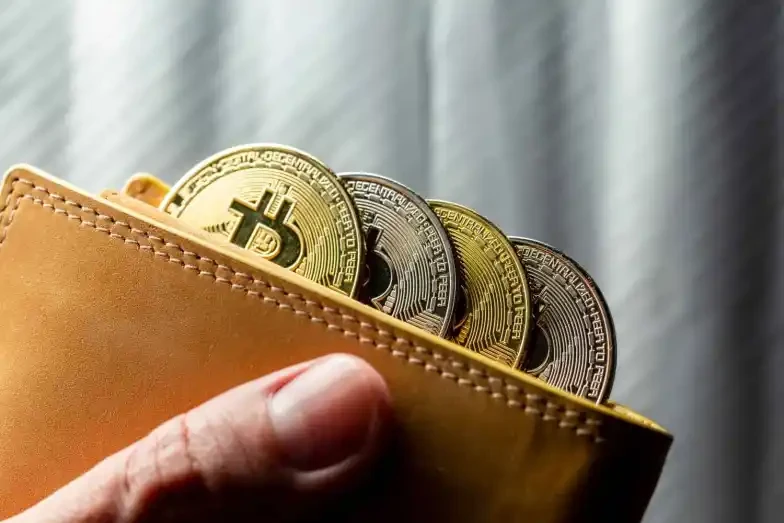
What is a cold wallet?


A cold wallet is a wallet arrangement designed to keep private keys or other signing authority offline. The blockchain and its asset records remain on the network. “Cold” describes the operating state of the authorization setup, not a container in which coins are stored.
Coldness is therefore a property of a workflow, not simply a product label. A device can be offline while stored but connect to another system during signing. Another setup may keep the signer physically isolated and move transaction data through QR codes or removable media. These designs have different exposure paths even though both may be marketed as cold storage.
How offline signing separates wallet functions
A wallet performs several jobs that do not all require the private key. An online component can obtain network data, identify spendable funds, estimate fees and construct an unsigned transaction. A separate offline signer can inspect the request and produce the required signature. The signed transaction is then returned to an online component for broadcast.
The private key can remain on the offline signer. Only transaction data crosses the boundary before signing; afterward, a signature or signed transaction returns to the online component. Bitcoin’s BIP-174 defines the Partially Signed Bitcoin Transaction format, which allows multiple programs or devices to exchange the information needed to construct and sign a transaction. Its per-output data can help the signer identify recipients and change, but what a device can verify still depends on the information it receives and displays.
Other networks use different transaction formats and signing domains. The Bitcoin PSBT flow is an example of offline signing, not a universal file format for every blockchain.
An air gap does not validate the transaction
An offline signer reduces direct network access to signing secrets, but the online component still influences the request it sends. Malware could replace a destination, alter an amount or omit context about a contract call. The signer must independently present enough information for the intended authorization to be checked.
This creates two separate questions:
- Did the key remain isolated? This concerns extraction or disclosure of signing material.
- Was the correct instruction signed? This concerns transaction details, network, fees, contract actions and what the signer actually displayed.
A device can keep the key offline and still sign a transaction that has been altered. QR codes and removable drives are only ways to move data; they do not guarantee that the data is correct. The Bitcoin Developer Guide separates networking, transaction creation and signing into different functions. Each stage must therefore be checked independently rather than treating the whole process as safe simply because the signer is offline.
Cold wallet, hardware wallet and watch-only wallet
These labels answer different questions:
- A cold wallet describes an offline authorization workflow.
- A hardware wallet describes a purpose-built physical signing device. Whether its use is cold depends on connectivity and operating procedure.
- A watch-only wallet holds public information needed to monitor addresses or construct requests but lacks the private keys required to sign.
- A backup holds recovery information. It may recreate signing authority later, but it is not necessarily an active wallet.
A cold arrangement can use a hardware signer, an air-gapped general-purpose computer or a multi-device policy. A hardware device that regularly connects to a networked host can still keep keys inside the signer, but calling the entire workflow fully offline may hide risks involving the host, cable, communication protocol or device display. NISTIR 8301 distinguishes offline cold wallets from internet-connected hot wallets and explains that wallet functions can be split across components.
Cold is also independent of custody. An individual can control an offline signer in a self-custody arrangement, while a service provider can operate cold signing systems on behalf of customers. The offline label alone does not reveal who can authorize, replace signers or perform recovery.
Backup and recovery define a second security boundary
Keeping an active signer offline does not help if its recovery material is exposed. Many deterministic wallets can reconstruct a key tree from a seed or recovery phrase, sometimes together with a passphrase and derivation settings. Anyone with the necessary inputs may be able to reproduce the signing keys without the original device.
The opposite failure is also possible. A damaged signer plus an incomplete, incompatible or incorrectly recorded backup can make recovery impossible. Imported keys, multisignature policies, account descriptors and smart-account recovery data may not be recoverable from one phrase alone. A useful recovery plan must match the wallet architecture and should not assume that every wallet follows the same standard.
What cold storage reduces—and what remains
An offline arrangement can reduce exposure to remote key-extraction attacks and limit the time signing authority is reachable from a networked system. It does not eliminate:
- malicious or defective signer software and firmware;
- substituted transaction data or incomplete on-device information;
- physical access, tampering, loss or damage;
- exposed, incorrect or unusable recovery material;
- mistakes in network, address, fee or contract authorization; or
- risks in multisignature participants and recovery policies.
The relevant comparison is not “online equals unsafe and offline equals safe.” It is which threats the design isolates, which data must cross the boundary and which failures its recovery process can tolerate.
FAQ
Can a cold wallet receive assets while its signer is offline?
Yes. A sender can submit a transaction to an address without the recipient’s signing device being online. The offline signer may later need current network information to prepare a spend, while a separate watch-only component can monitor incoming transactions.
Does connecting a cold signer once make every key immediately exposed?
Not automatically. Exposure depends on the device, connection, protocol and implementation. However, connecting it changes the threat model and creates a data path that should be assessed rather than treating “cold” as a permanent property.
Learn more
For a broader overview of wallet categories, see Types of Crypto Wallets: The Complete Beginner’s Guide. This glossary entry uses protocol and standards sources for its technical claims.
Related concepts
Compare hot wallets, hardware wallets, private keys and seed phrases, or return to the Crypto Glossary.
Sources
- NISTIR 8301: Blockchain Networks — Token Design and Management Overview — hot and cold wallet definitions, wallet components and offline signing.
- BIP-174: Partially Signed Bitcoin Transaction Format — exchange of unsigned and partially signed transaction data, signer roles and output verification data.
- Bitcoin Developer Guide: wallets — separation of network, transaction construction, signing and watch-only functions.
- Bitcoin.org: securing your wallet — offline storage, offline signing and backup limitations.
© 2025 OKX. Acest articol poate fi reprodus sau distribuit în întregime sau pot fi folosite extrase ale acestui articol de maximum 100 de cuvinte, cu condiția ca respectiva utilizare să nu fie comercială. Orice reproducere sau distribuire a întregului articol trebuie, de asemenea, să precizeze în mod vizibil: "Acest articol este © 2025 OKX și este utilizat cu permisiune." Extrasele permise trebuie să citeze numele articolului și să includă atribuirea, de exemplu „Numele articolului, [numele autorului, dacă este cazul], © 2025 OKX.” Unele conținuturi pot fi generate sau asistate de instrumente de inteligență artificială (AI). Nu este permisă nicio lucrare derivată sau alte utilizări ale acestui articol.